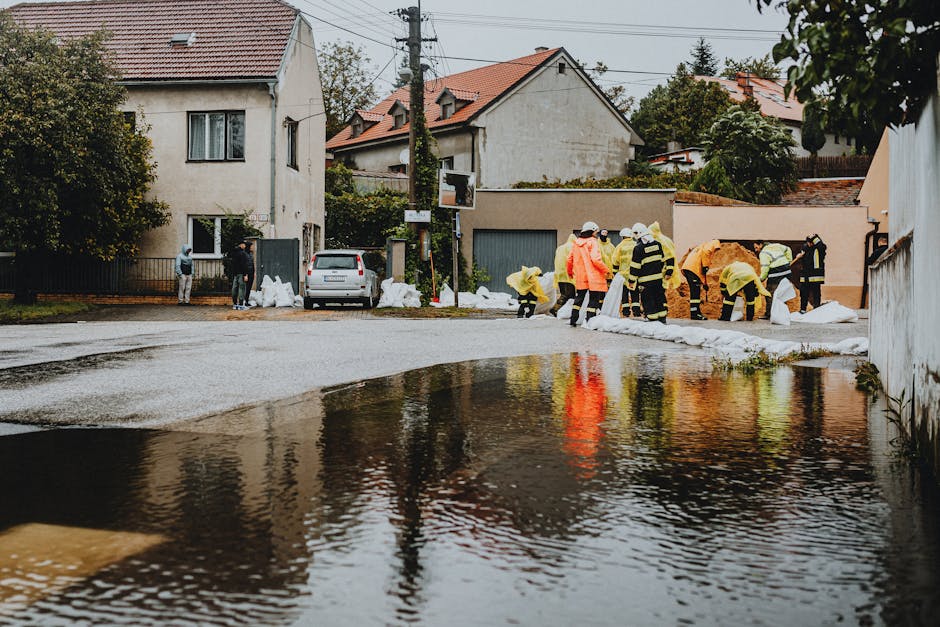
Same day emergency cleaning for Ilford floods spills: fast, practical help when water or mess can't wait
If you're dealing with a burst pipe, a washing machine leak, a drink spill on a carpet, or a sudden flood in your home or business, the last thing you want is delay. Same day emergency cleaning for Ilford floods spills is about getting help quickly, reducing damage, and restoring a space before the mess turns into a much bigger problem. In Ilford, where homes, flats, shops and offices can all be affected by sudden water issues, speed really matters. A fast response can mean the difference between a clean-up job and a costly replacement.
This guide explains what emergency cleaning actually involves, how it works on the day, what to do first, and how to choose the right kind of help. It also covers common mistakes, sensible expectations, and the practical details people often forget in the panic. Let's face it, when water's spreading across a floor at 7:30 in the morning, nobody is thinking about a perfect process. They're thinking, "How do I stop this getting worse?"
Below, you'll find a clear breakdown of what to expect from same day emergency cleaning for Ilford floods spills, whether you're dealing with carpet saturation, dirty water, food spills, or contamination risks that need careful handling.
Table of Contents
- Why Same day emergency cleaning for Ilford floods spills Matters
- How Same day emergency cleaning for Ilford floods spills Works
- Key Benefits and Practical Advantages
- Who This Is For and When It Makes Sense
- Step-by-Step Guidance
- Expert Tips for Better Results
- Common Mistakes to Avoid
- Tools, Resources and Recommendations
- Law, Compliance, Standards, or Best Practice
- Options, Methods, or Comparison Table
- Case Study or Real-World Example
- Practical Checklist
- Conclusion
- Frequently Asked Questions
Why Same day emergency cleaning for Ilford floods spills Matters
Floods and spills are not all the same, but they do share one thing: the longer they sit, the more damage they can do. Water can travel under carpet edges, into underlay, along skirting boards, and into the hidden parts of a room you don't notice at first glance. A simple spill can become a smell problem. A flood can become a mould problem. And a dirty liquid spill can create hygiene concerns very quickly.
In a busy Ilford household, you might have kids running through the hall, pets sniffing around the kitchen, or someone trying to save paperwork and plug sockets at the same time. In a workplace, the stakes can be even higher because a wet floor is a slip hazard. That is why emergency cleaning is not just about appearance. It is about safety, usability, and preventing a small incident from spreading into other parts of the property.
One of the biggest issues is hidden moisture. A floor may look "mostly dry" after a mop-up, but water can still be sitting beneath the surface. That lingering dampness can affect carpets, flooring adhesive, upholstery, and even furniture legs. If the spill involved food, sewage-contaminated water, or anything greasy, there is also a contamination angle to think about. A rushed wipe-down may make the room look better for the moment, but not actually solve the problem.
Expert summary: the real value of same day emergency cleaning is not speed alone. It is speed plus the right process: assessment, containment, extraction, cleaning, sanitising where appropriate, and careful drying. That combination protects the property far better than a quick mop ever will.
If you already know the issue affects carpet, upholstery or fabric surfaces, it helps to understand the related services too. For example, an emergency response may eventually lead into carpet cleaning, upholstery cleaning, or even stain removal once the immediate risk has been controlled.
How Same day emergency cleaning for Ilford floods spills Works
Emergency cleaning usually starts with a quick call or message, then a rapid assessment of the problem. The details matter more than people expect. Is it clean water, grey water, or something contaminated? Is the affected area hard flooring, carpet, rug, sofa, curtain, or mattress? Is the liquid still spreading, or has it already soaked in? The answers shape the response.
A good same day visit often follows a fairly practical sequence:
- Initial triage: the cleaner or team gathers the basics, such as the source, affected rooms, surface type, and any health or safety concerns.
- Containment: the area is made safer, which may include isolating the spill, protecting nearby surfaces, or advising you not to step through wet zones.
- Extraction: standing water or excess liquid is removed using the appropriate equipment.
- Cleaning: residues, dirt, and staining are treated with suitable methods for the material involved.
- Drying and ventilation: airflow and moisture removal are handled so the surface can recover properly.
- Final check: the area is reviewed for remaining dampness, odour, staining, or damage.
That sounds neat on paper. Real life is a bit messier, of course. A hallway spill might take ten minutes to manage, while a soaked lounge carpet after a leak can need a more careful approach. If furniture has been affected too, the plan may widen into sofa care or fabric treatment rather than floor cleaning alone.
For situations where water has spread widely or soaked into fabrics, same day emergency cleaning may be paired with more targeted services such as steam carpet cleaning or sofa cleaning, depending on what has been damaged and what can realistically be saved.
Key Benefits and Practical Advantages
The obvious benefit is speed. But there are several other advantages that are easy to overlook when you're focused on the mess in front of you.
- Less structural damage: quicker intervention can reduce the chance of water migrating into underlay, floorboards, or fabric backing.
- Lower odour risk: fresh spills are much easier to remove before smells settle in.
- Better stain recovery: many marks are far easier to treat immediately than after they dry and oxidise.
- Safer walking surfaces: cleaning up wet floors quickly reduces slip hazards in homes and workplaces.
- Reduced disruption: a same day response often means you can use part of the property again sooner.
- More confident decision-making: a professional assessment helps you avoid overcleaning delicate materials or undercleaning contaminated ones.
Another practical advantage is peace of mind. It sounds minor, but when a flood or spill has happened, uncertainty can be exhausting. Is the carpet ruined? Will the smell linger? Can I still use the room tonight? A proper response usually gives you a clearer answer, and fairly quickly too.
There is also a trust angle here. Reputable providers should be able to explain what they can do, what they cannot guarantee, and whether a surface is suitable for aggressive cleaning. That honesty matters. Sometimes the best outcome is a partial recovery and a sensible next step, not a miracle claim that sounds good but doesn't hold up in daylight.
Who This Is For and When It Makes Sense
This kind of service suits a wider range of people than you might expect. It is not only for dramatic floods with water up to the skirting boards. More often, it is for the annoying, inconvenient situations that need attention now rather than next week.
It makes sense if you are:
- a homeowner dealing with a burst pipe, appliance leak, toilet overflow, or kitchen spill
- a tenant who needs to act quickly and protect carpets or furnishings
- a landlord trying to prevent avoidable damage before the next viewing or tenancy milestone
- a business owner or manager needing to keep floors safe for staff and visitors
- a parent or pet owner dealing with repeated accidents, food spills, or muddy-water messes
- someone with soft furnishings, rugs, or mats that have absorbed liquid and now smell damp
It also makes sense when timing is awkward. A spill at lunch before guests arrive. A leak on a Friday evening. A flood in a small flat where drying space is limited. Those are the moments when a same day clean is less about convenience and more about keeping the situation under control.
To be fair, not every spill needs a full emergency response. A tiny cup of water on tile is not an emergency, however dramatic the cat may behave about it. But if liquid has spread, soaked in, or carried contamination, acting quickly is wise.
Step-by-Step Guidance
If you are handling the first minutes of an incident yourself, a simple sequence can help. Keep it calm. Fast, yes. Panicked, no.
- Stop the source if you can do so safely. Turn off the appliance, close the valve, or move the item causing the spill. Do not take risks near electrics.
- Keep people away from wet or dirty areas. A wet hallway or kitchen floor can be slippery very quickly.
- Blot or lift standing liquid carefully. Use clean towels, mops, or absorbent cloths. Do not scrub aggressively at this stage.
- Do not mix chemicals. More cleaning product is not always better. In fact, it can make stains worse or damage fibres.
- Take note of what was spilled. Water, juice, milk, mud, oil, detergent, sewage-related water, or something else entirely. This affects the approach.
- Photograph damage if needed. If there is insurance or landlord reporting involved, clear photos help.
- Arrange same day help if the area is soaked or contaminated. Quick action can prevent much larger follow-up costs.
If the spill has reached carpet, soft seating, curtains, or a mattress, don't guess at the treatment. A fabric that looks tough may still hold moisture inside, and some materials can shrink, bruise, or leave tide marks if treated badly. This is where specialist knowledge becomes genuinely useful.
When emergency cleaning leads into textile work, relevant services such as rug cleaning, curtain cleaning, or mattress cleaning may be part of the recovery plan. Different materials, different rules. Simple as that.
Expert Tips for Better Results
In emergency cleaning, small decisions make a big difference. Here are the things that tend to help most.
- Act within the hour if possible. Freshness is your friend. The sooner moisture and residue are dealt with, the easier the recovery.
- Do not over-wet the area. Adding more water to a soaked carpet or fabric often pushes the problem deeper.
- Use airflow sensibly. Open windows if weather and security allow, but don't assume ventilation alone will dry a saturated floor.
- Move light furniture off damp carpet. This helps prevent staining and rust marks from feet or fittings.
- Ask what drying method will be used. Extraction, air movement, and targeted drying are more reliable than wishful thinking.
- Watch for odour the next day. A sweet or musty smell often means moisture remains somewhere below the surface.
One practical tip that people rarely hear: check the edges of the room, not just the obvious centre. Water loves skirting lines and corners. It creeps. Quietly, annoyingly, that's its thing.
If the problem affects a business setting, especially somewhere with customer footfall, it is worth pairing cleaning with a broader surface review. A wet floor near an entrance may need immediate attention, while a stained waiting area might later benefit from commercial carpet cleaning or upholstery care once the urgent issue has been stabilised.
Common Mistakes to Avoid
There are a few mistakes that come up again and again. They are understandable, but they can make the situation worse.
- Waiting too long: people often hope the surface will dry on its own. Sometimes it does not, and the delay creates deeper damage.
- Scrubbing at stains aggressively: this can spread the spill and push it deeper into fibres.
- Using the wrong product: bleach, strong solvents, and multi-purpose sprays are not suitable for everything.
- Ignoring underlay or subfloor risk: what looks like a surface issue may be sitting beneath the carpet.
- Forgetting about odour: a room can look fine and still smell damp or sour later.
- Moving furniture back too soon: damp legs or feet can leave marks and transfer moisture.
A very common one? Cleaning only the visible patch and assuming the job is done. Truth be told, that's where a lot of repeat problems start. A room can look neat for an hour and still be quietly holding moisture under the surface. Not ideal.
If stains remain after the emergency phase, a specialist stain treatment may be needed. That is where targeted stain removal work can make more sense than another general wash-through.
Tools, Resources and Recommendations
You do not need a van full of kit to handle the first stage of a spill, but a few things really help.
- absorbent towels or cloths
- a mop and bucket for hard floors
- gloves if the liquid may be dirty or contaminated
- plastic bags for wet cloth disposal
- a torch for checking darker corners or under furniture
- fans or safe airflow options for assisting drying
- basic notes or photos for reporting the issue later
For professional support, look for practical qualities rather than flashy promises. Good signs include clear communication, sensible questions about the spill, and honest advice about what can be recovered the same day. If you want to understand more about how a provider works, it can be useful to read about their approach via the about us page, and check how they handle insurance and safety before booking.
It is also worth understanding payment confidence and service expectations early. You don't want surprises when you're already dealing with a wet floor and a deadline. A provider's pricing and quotes information, plus their payment and security details, can help you judge whether the process feels straightforward.
Law, Compliance, Standards, or Best Practice
For emergency cleaning in the UK, the most important compliance points are usually about safety, reasonable care, and proper handling of hazardous contamination where present. That can include slips and trip risks, safe use of cleaning products, and appropriate procedures for contaminated water or waste.
If the spill involves potentially infectious material, sewage-related water, or another biological risk, it should be treated carefully and not casually handled as if it were just a normal spill. In those cases, a provider should be able to explain the approach in plain English, including what PPE may be used and why certain areas may need more than one pass of cleaning.
For domestic and commercial settings alike, good practice usually includes:
- preventing slips and restricting access until the floor is safe
- using suitable products for the specific surface and contaminant
- avoiding damage to fabrics, flooring, and electrical fittings
- documenting visible damage when insurance or tenancy issues are involved
- disposing of waste carefully and responsibly
Where a property manager or business owner is involved, it is sensible to keep records. Not because anyone wants extra paperwork, obviously, but because it helps if the issue later needs to be explained to an insurer, landlord, or facilities team.
Emergency cleaning should also align with proper company policies. If you are comparing providers, it is reasonable to review their health and safety policy, terms and conditions, and privacy policy so you know how they work and what happens with your information.
Options, Methods, or Comparison Table
Different spills call for different responses. A quick comparison helps make sense of it.
| Situation | Best immediate approach | What to avoid | Likely follow-up |
|---|---|---|---|
| Clean water on hard flooring | Contain, mop, dry, check edges | Leaving water under furniture | Ventilation and surface review |
| Water on carpet | Blot, extract, dry thoroughly | Scrubbing or saturating again | Possible carpet or underlay treatment |
| Food or drink spill | Lift residue, treat stain quickly | Heat-setting the stain with hot water | Targeted stain removal |
| Dirty floodwater | Restrict access, clean carefully, sanitise if appropriate | General-purpose DIY only | Deeper remediation and drying |
| Fabric upholstery spill | Spot test, extract, dry evenly | Over-wetting cushions | Specialist upholstery cleaning |
In plain terms, the more the spill has soaked in, or the dirtier it is, the more careful the method needs to be. A light juice spill on a rug is a different problem from a flood that has travelled under a sofa. Same room, completely different job.
That is why a one-size-fits-all answer rarely works. The right method depends on material, contamination, and how long the liquid has been there. Sometimes the immediate response is enough. Sometimes it is just the first step.
Case Study or Real-World Example
Picture a typical weekday in Ilford. A family wakes up to find the kitchen floor damp after a dishwasher leak overnight. The water has spread into the hallway, reached the edge of a rug, and left a faint smell near the skirting. Nobody has time for a full-scale drama, but the issue can't wait until the weekend either.
The first sensible move is to stop the source and keep everyone off the wet area. Towels are used to lift as much moisture as possible, and light items are moved away from the damp zone. A same day emergency clean is arranged because the carpet edge and rug have both been affected, and the family is understandably worried about hidden damp.
On arrival, the priority is to assess the spread, extract remaining moisture, and check whether the rug or carpet has taken up water at the backing. A treated area may look manageable from above, but the underside tells the real story. If the carpet has picked up a visible mark or odour, additional stain treatment or carpet care may follow. In a case like this, the goal is not just "making it look better" but making the room safe and usable again.
That kind of practical, staged response is usually what people need most. Not a grand speech. Just someone who understands where the water has gone and what has to happen next.
Practical Checklist
Use this checklist if you are dealing with a flood or spill right now.
- Identify the source of the spill or leak
- Make the area safe and keep people out
- Turn off water or electrics only if it is safe to do so
- Blot or remove standing liquid carefully
- Photograph the damage if needed
- Note whether the liquid was clean, dirty, oily, or food-based
- Check carpets, rugs, upholstery, and edges for hidden damp
- Arrange same day emergency cleaning if the area is soaked or contaminated
- Ask about drying, extraction, and stain treatment
- Do not move furniture back until the surface is properly dry
- Watch for odour or staining over the next 24 hours
If you are comparing providers or planning the next step, it can also help to review service pages like recycling and sustainability if waste handling matters to you, or complaints procedure if you want to know how feedback is handled. That kind of detail may not feel urgent in the middle of a spill, but it does build trust.
Conclusion
Same day emergency cleaning for Ilford floods spills is about more than clearing up water or wiping away a mark. It is a fast, sensible response that protects floors, soft furnishings, safety, and sanity. The best results usually come from acting early, using the right method, and resisting the temptation to do too much or too little. In other words: contain it, assess it, clean it properly, and dry it fully.
For homes, that means less disruption and a better chance of saving carpets, rugs, and fabric surfaces. For businesses, it means safer access and less downtime. And in both cases, it means fewer unpleasant surprises the next day. Which, honestly, is a relief.
When a flood or spill happens, you do not need perfection. You need a calm, capable response that gets the space back under control. That's the real job, and it makes a bigger difference than people think.
Get a free quote today and see how much you can save.
Frequently Asked Questions
What counts as an emergency cleaning situation in Ilford?
An emergency usually means the spill or flood is still spreading, has created a slip risk, soaked into carpet or furniture, or involves dirty or contaminated water. If it can wait safely until later without damage or hygiene concerns, it may not need same day treatment.
How fast should same day emergency cleaning happen?
The ideal is as soon as possible after the incident is discovered. The first hour matters a lot for limiting spread, reducing stains, and preventing moisture from sinking deeper into floors or fabrics.
Can a wet carpet always be saved?
Not always, but often more can be saved than people expect. If the carpet is treated promptly, dried thoroughly, and not contaminated beyond recovery, there is a good chance of preserving it. Delay is what usually causes the trouble.
Is a flood different from a normal spill?
Yes. A flood often means more water, more hidden damp, and more chance of contamination or structural impact. A spill may be smaller but still serious if it involves stain-prone or absorbent materials.
What should I do before the cleaner arrives?
Stop the source if safe, keep people away from the wet area, blot excess liquid, and take photos if you may need them for a landlord or insurer. Don't use harsh products unless you are certain they are suitable.
Will emergency cleaning remove odours too?
It often can reduce or remove odours, especially if the source is fresh. But if liquid has soaked into underlay, upholstery, or subfloor materials, extra drying or treatment may be needed for the smell to fully go.
Do I need specialist cleaning for dirty floodwater?
Yes, usually. Dirty or contaminated water should be handled carefully because it can pose hygiene risks. It is not the kind of situation for a quick DIY once-over with a mop and a hopeful face.
Can emergency cleaning help with sofa or mattress spills?
Yes, if the material and the type of spill are suitable for treatment. Sofas and mattresses can hold moisture deep inside, so they often need more careful assessment than a hard floor.
How do I know if hidden moisture is still present?
A lingering damp smell, cool patches, staining that returns, or areas that feel soft or clammy can all suggest moisture remains. Professional drying and inspection are often the safest way to know for sure.
What if the spill happened in a business or office?
Then speed matters even more because of staff safety and visitor access. A quick clean can reduce downtime, protect the floor finish, and help keep the premises open or partially usable.
Should I move furniture back straight away?
No, not until the affected area is properly dry. Putting furniture back too early can trap moisture, cause marks, or transfer damp into clean areas.
Where can I check service policies before booking?
It is sensible to review the company's about us, terms and conditions, insurance and safety, and contact us information so you understand how they work and what to expect.