Redbridge Council mattress disposal and cleaning rules
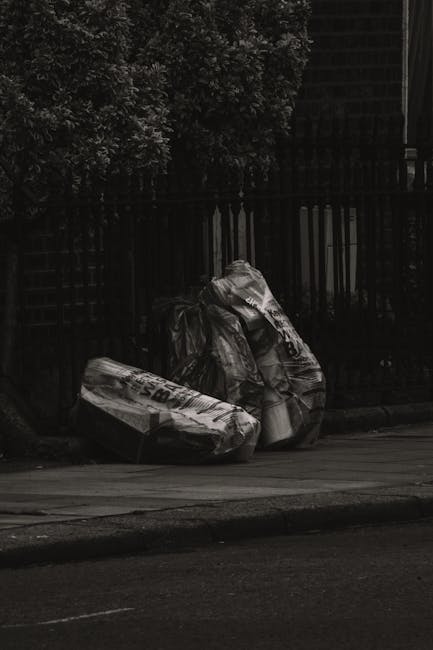
If you are trying to work out Redbridge Council mattress disposal and cleaning rules, you are probably dealing with one of those awkward household jobs that always takes more time than expected. A mattress is bulky, messy, and not exactly something you want sitting in the hallway for days. And if it has stains, smells, dust mites, or signs of bed bugs, the situation gets even more frustrating.
This guide breaks the topic down in plain English. We will look at what usually matters when disposing of a mattress in Redbridge, why cleaning and condition matter, how to prepare it, what mistakes to avoid, and when a professional mattress clean makes more sense than trying to sort it yourself. Truth be told, the difference between "ready for collection" and "sent back or delayed" can be something very small, like a missing cover or a mattress left damp.
The goal here is simple: help you make the right decision the first time, whether you are replacing a worn-out bed, clearing a property, or trying to save a mattress that still has life left in it.
Quick takeaway: before you arrange disposal, check the mattress condition, keep it as clean and dry as possible, and confirm the collection or recycling route suits your situation. That one bit of prep can save a lot of hassle.
- Why the rules matter
- How disposal and cleaning usually work
- Benefits of doing it properly
- Who this is for
- Step-by-step guidance
- Expert tips
- Common mistakes to avoid
- Tools and resources
- Law, compliance and best practice
- Options and comparison
- Real-world example
- Practical checklist
- Conclusion
- Frequently asked questions
Why Redbridge Council mattress disposal and cleaning rules Matters
A mattress is not like ordinary rubbish. It is bulky, awkward to move, and often classed as a special type of household waste because it can be reused, repaired, or recycled if it is in the right condition. That is why local disposal rules matter so much. If you ignore them, you can end up with extra charges, missed collections, or a mattress dumped outside when it should have gone through the proper route.
There is also a cleanliness angle that people often overlook. A mattress that is heavily soiled, wet, mouldy, or infested may not be suitable for donation or reuse. In practical terms, the cleaner and drier the mattress is, the more options you usually have. That does not mean every mattress needs to be spotless, but it should be handled sensibly and safely.
From a resident's point of view, the main issue is simple: you want the mattress gone without creating a problem for the council, for neighbours, or for the next person handling it. Nobody wants a mattress leaning by the bins in the rain. It looks awful, smells worse, and can attract pests. Not ideal, to say the least.
If you are also cleaning other soft furnishings at the same time, services such as mattress cleaning, sofa cleaning, and upholstery cleaning can help you decide what is worth saving and what really is at the end of its life.
How Redbridge Council mattress disposal and cleaning rules Works
In most London boroughs, mattress disposal follows a fairly predictable pattern: you either book a bulky waste collection, take the mattress to an approved waste facility, or arrange for a private removal service. The exact council process can change over time, so it is wise to check the current local instructions before you leave the mattress outside or book anything.
The important thing is the condition of the mattress. A dry, clean mattress is much easier to handle than one with urine marks, mould, blood stains, or a strong musty smell. If the mattress is still usable, a proper clean may extend its life. If it is beyond saving, cleaning it lightly before disposal can still make handling safer and more hygienic.
Here is the usual logic behind the process:
- Check whether the mattress can be reused, repaired, or professionally cleaned.
- Inspect it for staining, dampness, odours, and pest activity.
- Decide whether disposal should be via council collection, recycling, or a private removal route.
- Prepare the mattress according to the collection or drop-off guidance.
- Keep it dry, wrapped if required, and placed where it will not block access.
In many homes, the decision is not black and white. A mattress can look tired but still be structurally fine. Or it may look okay at first glance but have deep-set odour or hidden contamination. That is where a sensible inspection helps. If the mattress has been used for years and springs are sagging, disposal may be the better call. If the fabric is stained but the core is sound, a deep clean may be worth it.
For readers who care about waste reduction, the recycling and sustainability approach on the site sits nicely alongside this topic, because the most responsible route is often the one that avoids unnecessary waste in the first place.
Key Benefits and Practical Advantages
Following the right disposal and cleaning process gives you more than just a tidy room. It creates a smoother move, fewer complications, and better hygiene. A small amount of preparation can make the whole job feel less like a chore and more like a simple task you have under control. Which, let's face it, is always a relief.
- Better compliance: you are less likely to have collection issues or complaints about fly-tipping.
- Improved hygiene: a clean mattress is safer for handling and less likely to spread odours or contaminants.
- More reuse potential: a mattress that is clean and intact has a better chance of being recycled or passed on where suitable.
- Less stress: you avoid last-minute scrambles and awkward lift-day surprises.
- Cleaner property handovers: especially useful for landlords, tenants, and moving-day clear-outs.
There is also a quieter benefit that people underestimate: confidence. Once you know the mattress has been checked, cleaned if needed, and arranged for the correct disposal route, the whole job feels finished. No lingering "did I do that right?" feeling. That matters more than people think.
Who This Is For and When It Makes Sense
This topic is relevant to a lot of people, not just homeowners. In practice, the same mattress rules can affect tenants, landlords, housing managers, letting agents, and anyone clearing a room after a tenancy or move. A mattress can become urgent for all sorts of reasons. New bed arriving tomorrow. End of tenancy inspection next week. Guest room being repurposed. Or, in some cases, a damaged mattress has simply reached the end of its life.
It also matters if the mattress has special problems, such as pet accidents, spills, sweat build-up, mildew, or bed bug concerns. In those cases, a quick vacuum and a bit of air freshener will not cut it. You need a proper plan, because poor handling can make the problem worse. Ever tried to move a damp mattress on a rainy morning? It is heavier, grimier, and somehow more awkward than it should be.
Consider a professional clean when:
- the mattress is structurally sound but stained or odorous;
- you want to reduce allergens before keeping it in use;
- you are preparing a property for new occupants;
- the mattress has minor contamination rather than deep damage;
- you are unsure whether disposal is necessary yet.
Consider disposal when:
- the mattress is badly sagging or broken;
- there is significant mould or water damage;
- odour or staining has penetrated the inner layers;
- there is visible pest damage or a serious infestation risk.
Step-by-Step Guidance
If you want the cleanest route through this, follow a simple process. It does not need to be complicated. Just sensible.
- Inspect the mattress carefully. Look at the seams, underside, label, and edges. Check for rips, deep stains, mould spots, and damp patches. If the smell hits you before you even lift it, that is a clue too.
- Decide whether cleaning is worthwhile. Light staining, dust, and general use marks are often manageable. Deep bodily fluid stains, mould, or persistent odour are much harder to reverse.
- Vacuum the surface. Use a clean upholstery attachment and get into the seams. This removes dust, hair, and loose debris before any deeper cleaning.
- Treat stains carefully. Blot rather than scrub. Over-wetting a mattress can leave moisture trapped inside, which is exactly what you do not want.
- Allow full drying time. This step matters a lot. A mattress that feels slightly damp can become a mould problem very quickly.
- Prepare for disposal or storage. If disposing, follow the local collection or drop-off instructions. If keeping it, use a protector once fully dry.
- Move it safely. Mattresses are cumbersome. Use two people if needed, protect walls and stairs, and keep pathways clear.
If you are still deciding between cleaning and replacing, a service such as stain removal can be useful for viewing a mattress as part of a broader soft-furnishings refresh, rather than as a one-off problem item.
Expert Tips for Better Results
In our experience, the biggest wins come from the small things. Not dramatic, not fancy, just the bits people skip when they are in a hurry.
- Check the underside as well as the top. That is where hidden damp and mould often show up first.
- Use minimal moisture. Foam and inner fillings hold water for far too long.
- Work in daylight if possible. You will spot stains and damage much more easily.
- Air the room while cleaning. Fresh air helps drying and reduces lingering smell.
- Do not wrap a damp mattress for disposal or storage. It traps moisture and can create an even bigger problem.
- Label the mattress if it is not going out immediately. That sounds obvious, but busy homes get mixed up fast.
A useful rule of thumb: if the mattress still smells musty after drying, there is usually something deeper going on. You may be dealing with trapped moisture, old residue, or contamination beneath the surface. That is the point where a more thorough clean or disposal becomes the practical answer.
For households dealing with pet-related accidents, pet stain and odour removal is worth understanding because pet odour can soak in harder than people expect. A small patch today can become a whole-room smell tomorrow. It happens.
Common Mistakes to Avoid
The most common mistakes are usually practical ones, not legal ones. People are busy, the mattress is awkward, and the temptation is to get it out of the way quickly. That is when things go wrong.
- Leaving a mattress outside too early. If collection rules require a specific time or condition, putting it out days ahead can lead to complaints or weather damage.
- Cleaning too aggressively. Harsh scrubbing can damage fabric and force dirt deeper into the filling.
- Soaking the mattress. This is one of the fastest ways to create mould.
- Ignoring hidden odour. If it still smells after cleaning, the problem may not be solved.
- Forgetting access issues. Stairs, tight hallways, and shared entrances need planning.
- Assuming every mattress can be reused. Sometimes the honest answer is no, and that is okay.
A small but important point: do not treat a visibly dirty mattress like ordinary rubbish without checking whether wrapping, tagging, or special handling is required by the collection route you are using. It is one of those details that seems tiny until it becomes the reason the mattress is not taken.
Tools, Resources and Recommendations
You do not need a professional toolkit to assess a mattress, but a few basic items make the job easier and safer. Think simple, practical, and easy to clean afterwards.
| Item | What it helps with | Why it matters |
|---|---|---|
| Upholstery vacuum attachment | Dust, debris, hair | Prepares the surface before deeper cleaning |
| Clean microfibre cloths | Blotting stains | Reduces the risk of over-wetting |
| Mattress protector | Preventing future marks | Useful once the mattress is dry and being kept |
| Gloves | Safer handling | Helpful if the mattress is dusty, soiled, or old |
| Strong bag or wrap, if required | Containment during disposal | Useful where collection guidance asks for presentation protection |
When the mattress is still worth keeping, a professional clean is usually more efficient than a trial-and-error approach at home. If you also need general upholstery care around the room, services like curtain cleaning and rug cleaning can help reset the space properly. That is often the moment people realise the bedroom feels fresher, lighter, almost like a reset button has been pressed.
And if the work extends beyond one room, a broader visit covering carpet cleaning can be a smart way to deal with allergens, dust build-up, and general room hygiene in one go.
Law, Compliance, Standards, or Best Practice
For mattress disposal, the safest approach is to follow local council instructions and accepted waste-handling best practice. In the UK, fly-tipping rules are taken seriously, and leaving bulky items where they should not be can create avoidable problems. Even if you are not trying to dump anything illegally, a mattress left in the wrong place or at the wrong time can still become an issue.
Best practice is straightforward:
- use the correct collection or recycling route;
- keep the mattress safe to handle;
- do not dispose of wet, infested, or contaminated items without checking the right route;
- avoid blocking pavements, exits, or shared access areas;
- treat the item as bulky waste rather than general bagged rubbish.
From a hygiene point of view, a mattress with body fluid contamination, mould, or possible pest activity should be handled more cautiously than a standard worn mattress. That does not automatically mean it needs specialist treatment, but it does mean you should be careful with exposure, wrapping, and handling. If there is any doubt, better safe than sorry. Easy to say, I know, but it is true.
For businesses, landlords, and managed properties, good record-keeping helps too. If you need a deeper operational view, the site's health and safety policy and insurance and safety pages offer useful trust signals about safe, careful service standards.
Options, Methods, or Comparison Table
People usually have three realistic options: clean the mattress and keep it, arrange a council-style bulky waste route, or use a private removal service. The right choice depends on condition, urgency, and whether the mattress still has value.
| Option | Best for | Pros | Watch-outs |
|---|---|---|---|
| Professional cleaning | Mattresses that are stained but still usable | Can restore freshness, supports reuse, often cheaper than replacement | Not suitable for major mould, structural failure, or deep contamination |
| Council bulky waste route | Mattresses that are no longer fit to keep | Clear, lawful disposal path; suitable for bulky items | Timing, presentation, and access rules matter |
| Private removal service | Urgent clearances, multiple items, awkward access | Convenient, often flexible, good for busy schedules | Costs can vary; make sure the mattress is handled responsibly |
If the mattress is part of a full room refresh, combining decisions can save time. For example, a tenant move-out might involve the mattress, a stained rug, and a sofa that has seen better days. In that situation, coordinated cleaning and disposal is often less stressful than handling each item separately. A practical mix could include sofa cleaning alongside mattress treatment, while anything beyond repair is prepared for disposal.
Case Study or Real-World Example
Imagine a small flat near the end of a tenancy. The mattress is twelve years old, has a faint sweat odour, and shows a couple of coffee marks from late-night studying. The tenant is unsure whether to bin it immediately or try to clean it first. A quick inspection shows the spring structure is still fine, there is no mould, and the cover is intact.
In that case, cleaning makes more sense than immediate disposal. A vacuum, careful spot treatment, and proper drying could make the mattress acceptable for continued use or at least better presented for collection or storage. The key is that the issue is surface-level rather than structural.
Now compare that with a second mattress from a rental property where there has been a leak. The bottom panel is damp, there is a musty smell, and dark marks have spread around the base. That mattress is a very different story. Even after cleaning, the moisture risk remains. Disposal is the safer answer there, because hidden damp in the filling can become a long-term problem.
This is the real skill with mattresses: not just cleaning them, but knowing when cleaning is sensible and when it is a bit of wishful thinking. We have all been there, trying to rescue something that should probably just go. No shame in that.
Practical Checklist
Use this checklist before you arrange disposal or cleaning. It keeps the process simple and helps you avoid the common little mistakes that cause delays.
- Check the mattress for sagging, tears, mould, damp, and odour.
- Decide whether it is safe and worthwhile to clean.
- Vacuum the surface and seams.
- Treat stains carefully and avoid soaking.
- Allow complete drying time before wrapping or moving.
- Confirm the correct collection, recycling, or removal route.
- Keep access routes clear for lifting and carrying.
- Use protective handling if the mattress is heavily soiled.
- Do not leave the mattress out earlier than required.
- Arrange follow-up cleaning if the room also needs a reset.
If you are tidying the whole bedroom rather than just the mattress, a full refresh with steam carpet cleaning can be a useful final step once the heavy item is gone.
Conclusion
Redbridge Council mattress disposal and cleaning rules are really about common sense, hygiene, and using the right route for the condition of the mattress. If the mattress is still usable, clean it properly and protect it. If it is damaged, mouldy, wet, or simply worn out, arrange disposal the right way and avoid making the situation harder than it needs to be.
The best outcome is usually the simplest one: inspect carefully, choose the right path, and handle the mattress safely. A little preparation goes a long way. And once it is sorted, the room feels better almost immediately - quieter, cleaner, more settled. That's a good feeling.
Get a free quote today and see how much you can save.
If you would like help with mattress care, staining, or a wider soft-furnishings clean, it is worth exploring the site's specialist service pages and choosing the most practical next step for your home or property.
Frequently Asked Questions
Can I put a mattress out with ordinary household rubbish?
Usually no. Mattresses are bulky items and are typically handled through a separate collection or disposal route. Putting one out with ordinary bins can cause collection problems and may not be accepted.
Does a mattress need to be clean before disposal?
It should be as clean and safe to handle as possible. A mattress with surface dirt is different from one with heavy contamination, mould, or pest concerns. Cleaning it lightly before disposal is often sensible.
What if my mattress has stains but is still comfortable?
That is often a good sign that cleaning may be worthwhile. If the structure is sound and the issue is mainly surface staining or odour, a professional clean can be the better option than replacement.
Can a mouldy mattress be cleaned and kept?
Sometimes minor surface mould can be treated, but deep mould, recurring damp, or a strong musty smell is a warning sign. If moisture has gone into the filling, disposal is often the safer choice.
How do I know whether the mattress should be recycled or thrown away?
If the mattress is intact and only lightly used, it may be suitable for recycling or reuse through the correct route. If it is badly damaged, broken, or contaminated, disposal is usually the realistic option.
Is it worth cleaning an old mattress?
It can be, but only if the mattress still has a decent structure. If the springs are failing or the filling is degraded, cleaning may improve appearance but not the underlying comfort or hygiene.
What is the safest way to move a mattress?
Use two people if possible, clear the route first, and bend carefully when lifting. Mattresses are awkward rather than heavy in a simple way, so they tend to catch on corners and door frames.
Will a mattress cleaning service help with odour?
Yes, if the odour is from surface dirt, sweat, or everyday use. For deeper contamination, results vary. A proper inspection helps decide whether cleaning is likely to solve the problem.
Can I leave a mattress outside the night before collection?
Not unless the collection guidance allows it. Leaving it out too early can expose it to rain, create access issues, or lead to complaints from neighbours.
What should landlords do with old mattresses after a tenancy?
Landlords usually need a clear process: inspect, decide whether the item can be cleaned or must be removed, and then arrange a lawful disposal route. Keeping records and acting promptly makes handovers much smoother.
Are mattresses with pet accidents usually salvageable?
Sometimes yes, especially if the accident is recent and limited to one area. If the urine or odour has soaked deeply into the mattress, specialist treatment may be needed, and in some cases replacement is the better call.
What should I do if I am unsure whether the mattress is safe to keep?
Look for damp, mould, pest signs, damage to the support layers, and persistent odour. If anything feels off, err on the cautious side. A mattress should support better sleep, not keep you guessing at 2 a.m.
Can mattress cleaning help reduce allergens?
It can help by removing dust, debris, and surface build-up. Regular cleaning, good ventilation, and a mattress protector all help keep the sleeping environment fresher over time.