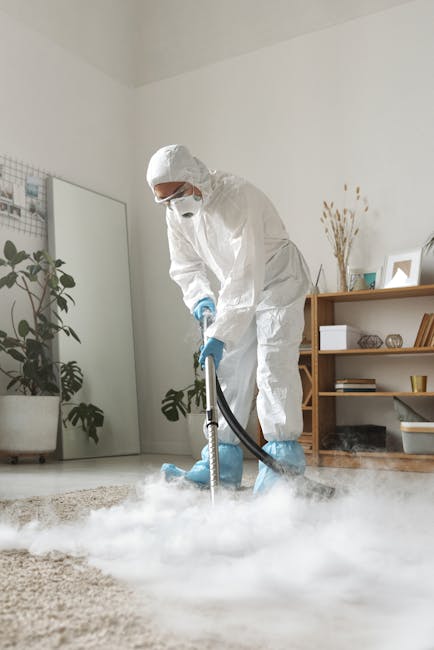
Common mistakes when hiring Ilford cleaners and how to avoid them
If you are booking a cleaner in Ilford, the hard part is not finding someone who says they can do the job. The real challenge is telling the decent professionals from the ones who look fine on the surface but cut corners once they arrive. That is where common mistakes when hiring Ilford cleaners and how to avoid them becomes more than a search phrase. It is a practical way to save money, protect your home, and avoid a day of avoidable hassle.
Whether you need carpet cleaning after a muddy school run, upholstery cleaning before guests arrive, or help with a stubborn stain that has been staring at you for weeks, the wrong hiring decision can leave you with poor results, hidden charges, or damage you did not budget for. Truth be told, a cleaner should make life easier, not add to the list.
In this guide, you will learn the mistakes people make most often, what good hiring looks like in practice, and how to avoid the usual traps without turning the process into a research project. Let's keep it simple and useful.
Table of Contents
- Why this matters
- How the hiring process works
- Benefits of hiring well
- Who this is for
- Step-by-step guidance
- Expert tips
- Common mistakes to avoid
- Tools, resources and recommendations
- Law, compliance and best practice
- Options and comparison
- Real-world example
- Practical checklist
- Conclusion
- Frequently asked questions
Why Common mistakes when hiring Ilford cleaners and how to avoid Matters
Cleaning services are one of those things people often book in a rush. A spill happens, a tenancy deadline looms, or the sofa starts looking a bit tired and suddenly you need help now. That urgency is exactly when mistakes creep in. You skip the checks, focus only on price, and assume the person with the quickest reply is the safest choice. Sometimes it works out. Often it does not.
In a busy area like Ilford, you will find a mix of established local operators, independent cleaners, and businesses covering everything from domestic jobs to commercial carpet cleaning. That variety is useful, but it also means standards vary. Some teams specialise in delicate upholstery. Others are better suited to heavy-duty carpet work. Some are fully insured and transparent. Others are not nearly as clear as they should be.
Why does this matter so much? Because the consequences are very practical. A poor cleaner can over-wet carpet fibres, leave odours behind, miss stains, use unsuitable products on delicate fabric, or fail to explain what is and is not included. And if something goes wrong, weak paperwork and vague terms can make it hard to resolve.
So yes, this topic is about avoiding mistakes. But more broadly, it is about hiring with confidence. That means understanding what quality looks like before you hand over keys, payment, or trust.
Key takeaway: the cheapest or fastest option is rarely the safest. A better hire usually comes from asking a few grounded questions, checking the basics, and not being rushed.
How Common mistakes when hiring Ilford cleaners and how to avoid Works
Hiring a cleaner is not complicated, but it does work best when you treat it like a small service decision rather than a casual favour. The process normally goes something like this: identify the service you need, compare providers, check their policies and experience, ask about methods and materials, confirm the price, then book a suitable time.
Where people go wrong is usually in the middle. They assume all cleaning jobs are the same. They use one price quote to judge the whole market. They forget to ask what kind of equipment is used, whether the cleaner is insured, or what happens if a stain does not lift first time. That is where the surprises begin.
A better approach is to narrow the job properly. Carpet cleaning is not upholstery cleaning. Steam carpet cleaning is not always the best choice for every material. Mattress cleaning needs a different level of care again. If you are hiring for a home with pets, pet stain odour removal adds another layer of detail. The cleaner should be able to explain those differences in plain English, not hide behind jargon.
It also helps to think about the actual result you want. Are you trying to refresh a room, remove a visible mark, reduce smells, or prepare a property for new occupants? When you are clear on the outcome, you can judge a quote more sensibly. A vague "deep clean" sounds good, but it is not enough on its own.
In practical terms, the process works well when you balance three things: service fit, trust, and price. Get all three roughly right and you avoid most of the headaches people complain about later on.
Key Benefits and Practical Advantages
Hiring carefully is not just about avoiding disaster. It brings some very real advantages, especially if you are dealing with busy family life, a rental deadline, or a home that has simply taken a beating over winter. London weather, shoes on hard floors, food spills, pets, and general day-to-day living all add up. A good cleaner helps reset things.
- Better results: the right cleaner uses suitable methods for your carpet, sofa, rug, or curtain rather than forcing one method onto every material.
- Less risk: correct products and trained handling reduce the chance of damage, discolouration, or lingering damp.
- Clearer costs: a proper quote should explain what is included, so you are not guessing.
- More convenience: when booking is straightforward and timing is reliable, the whole job feels easier.
- Better aftercare: good cleaners usually explain drying times, care advice, and what to expect over the next day or so.
There is also a quiet emotional benefit that people underestimate. A clean carpet or fresh sofa changes how a room feels. It can make the place look brighter, smell cleaner, and feel less like a project. You notice it the moment you walk in. Even in the hallway, where the lighting is never quite flattering, it makes a difference.
For businesses, the benefit is a little different. Cleaner office carpets and shared spaces support a more professional impression, which is why commercial carpet cleaning is often treated as maintenance rather than a luxury. Fair enough, because grubby floors can make a good space feel tired very quickly.
Who This Is For and When It Makes Sense
This guide is useful for anyone hiring cleaners in Ilford, but it is especially relevant if you are making a decision under time pressure. That could be a landlord arranging a turnaround clean, a tenant preparing for check-out, a homeowner with a large stain, or a family wanting to refresh a lived-in room before visitors arrive.
It also matters if you need specialist work. A basic cleaner may be fine for routine tidying, but not every provider is set up for stain removal, steam carpet cleaning, rug cleaning, or upholstery cleaning. The same goes for delicate jobs like curtain cleaning and mattress cleaning, where material knowledge matters more than speed.
If you run a local business, this becomes even more important. Commercial spaces often have a different level of wear, foot traffic, and scheduling needs. You do not want to choose a provider based only on a quick phone quote if they cannot work around opening hours or explain how they protect staff areas.
And if you have pets, the bar shifts again. Smells can linger in fibres, and a surface may look clean while still holding odour deep in the material. That is where a specialist approach matters, not just a general wipe-down. In those situations, asking better questions up front saves a lot of awkwardness later.
Step-by-Step Guidance
If you want a cleaner hiring process, follow a simple order. No need to overthink it. A bit of structure goes a long way here.
- Define the job clearly. Write down the room, item, or problem. For example: one lounge carpet, two sofas, one rug, or a mattress with visible marks and odour.
- Check whether specialist treatment is needed. A stain on wool, a pet accident, or fragile fabric may need a different approach from a standard clean.
- Ask for a clear quote. A decent provider should explain what is included, what may cost extra, and whether any visit conditions apply.
- Confirm insurance and safety. Ask how they handle accidental damage, surface protection, and safe product use. A trustworthy cleaner will not get flustered by this.
- Read the policies that matter. It is worth looking at the business's pricing and quotes information, insurance and safety guidance, and terms and conditions before booking.
- Ask about the method. Steam, hot water extraction, spot treatment, and low-moisture methods all have their place. Ask which is recommended and why.
- Book at a sensible time. Allow for drying, ventilation, and a bit of normal life happening around the work.
That is the basic framework. Simple, yes, but it prevents a lot of mistakes that happen when people jump straight from "I need this cleaned" to "when can you come?" without the middle step.
Expert Tips for Better Results
To get better outcomes from any cleaner, think like a client who has done this once or twice before. Not a perfectionist. Just informed enough to ask the right thing.
Start with the material, not the stain. A wine mark on synthetic carpet is one story. A wine mark on wool is another. The cleaner should adjust the treatment to the fabric, not the other way around.
Ask what happens if the stain is old. Some stains improve dramatically. Others lighten but do not disappear completely. A good cleaner will explain that honestly. Anyone promising miracles from one sentence over the phone is, well, probably overselling a bit.
Talk about drying time. This sounds boring until you are trying to use the room again. A reliable provider should tell you roughly how long the fibres may stay damp and how best to ventilate the space.
Be cautious with "one price covers everything". Fixed pricing can be useful, but only if it is genuinely based on the real job. Ask what happens if there are extra rooms, stubborn contamination, or specialist fabrics.
Check whether they also handle the specific item you need. A cleaner who does excellent carpet work may not be the best choice for sofas, and the reverse can be true too. If you need mixed services, look at related pages like sofa cleaning, rug cleaning, and upholstery cleaning so you can match the job to the right service.
One small real-world observation: the best cleaners tend to ask questions before they quote. That is usually a good sign. If they care enough to ask about fibre type, access, pets, or staining history, they are probably thinking ahead rather than winging it.
Common Mistakes to Avoid
Now for the heart of it. These are the mistakes that most often cause trouble when people hire cleaners locally. Some are obvious. Others sneak in because they look harmless at first.
Choosing on price alone
This is the classic one. A low price can be fine if the scope is clearly defined, but if the quote is much lower than others, ask why. Is the cleaner using lighter equipment? Are they excluding stain treatment? Will they charge extra on arrival? A bargain can become expensive very quickly.
Not checking what is included
People often assume "cleaning" means the whole room. In practice, it may only cover a certain area, a set number of items, or a standard finish without stain work. Clarify this before the booking. No one enjoys the awkward conversation after the van has already parked outside.
Failing to confirm insurance
Accidents are uncommon, but they can happen. A spilled product, a damaged edge, or a badly handled delicate item can turn a routine job into a headache. Insurance matters because it shows the business has thought about responsibility, not just sales.
Ignoring fabric and surface types
Not every material should be treated the same way. Wool, velvet, mixed upholstery, synthetic carpet, and natural fibres all respond differently. If the cleaner cannot explain the method in relation to the material, that is a warning sign.
Skipping customer policy checks
Businesses that are clear about payments, complaints, privacy, and safety usually feel more organised for a reason. It is worth looking at pages such as the complaints procedure, payment and security, and privacy policy. It sounds dry. It is useful, though.
Assuming every stain can be removed completely
This is a big one. Good cleaning can make a huge difference, but some stains are permanent or partly permanent. Older stains, dye transfer, bleach marks, and deep odours can all have limits. Honest expectation-setting is a sign of quality, not weakness.
Forgetting access and timing issues
If the cleaner needs parking, lift access, room clearance, or a window of time when the place is quieter, that should be sorted in advance. A lot of stress comes from simple logistics. Nobody needs a man with a machine standing in the hall while everyone searches for a key.
Not asking about aftercare
Aftercare is often overlooked. Yet after a proper clean, the way you ventilate the room, avoid traffic, and treat the area for the next few hours can affect the finish. Ask for clear guidance.
Using a general cleaner for specialist work
If you need pet stain odour removal, deep carpet treatment, or sensitive stain removal, choose someone who is comfortable with that kind of issue. Specialism matters. It really does.
Rushing because you need it "done today"
Urgency is understandable, but rushing almost always reduces your options. If possible, take ten extra minutes to compare details properly. That small pause can prevent an expensive annoyance.
Tools, Resources and Recommendations
You do not need fancy tools to hire well. A notebook, a phone, and a few sensible questions will do. Still, there are a few resources on the site that can help you make better decisions without guesswork.
If you are comparing services or want to understand scope before booking, review the relevant service pages first. For example, the carpet cleaning page is useful if your main concern is floor coverings, while steam carpet cleaning helps you understand method-based work. For homes with soft furnishings, the curtain cleaning and mattress cleaning pages are worth checking too.
For peace of mind, the business-facing pages matter as well. The about us section gives you a sense of who you are dealing with, while health and safety policy and recycling and sustainability help you understand how the company approaches process and responsibility.
If payment security or booking confidence is on your mind, the pages on payment and security and terms and conditions are practical places to look. Not thrilling reading, admittedly. But useful.
One recommendation that sounds almost too basic: keep your own notes. Write down who you spoke to, what they quoted, what was included, and what they promised about drying time or stain outcomes. That way, if something changes, you are not relying on memory alone.
Law, Compliance, Standards, or Best Practice
Cleaning services in the UK should operate within normal business, safety, and consumer expectations. You do not need to be a legal expert to hire sensibly, but a few best-practice checks help separate the reliable providers from the rest.
First, ask whether the business has appropriate insurance for the type of work it carries out. This is especially important where equipment, liquids, or sensitive materials are involved. Second, look for clear terms on payment, cancellations, and complaints so that both sides know what to expect. Third, expect sensible safety practice around products, electrical equipment, ventilation, and movement in the property.
For commercial settings, the standards of care are usually even more important because staff, visitors, and working schedules can all be affected. A provider doing commercial carpet cleaning should be able to explain how they reduce disruption and manage the work safely.
There is also a general trust layer that matters. A business should be transparent about how it handles customer information and payments. It should also be able to explain its procedures if something goes wrong. A good complaints procedure is not a red flag. Quite the opposite. It shows that the company expects to deal with issues professionally.
Best practice is basically this: clear communication, fair pricing, safe methods, and honest expectations. Simple principles. Harder to find than you might think, which is why they matter so much.
Options, Methods, or Comparison Table
People often compare cleaners by price, but the method and fit are usually more useful. Here is a simple way to think about the main options.
| Option | Best for | Strengths | Watch out for |
|---|---|---|---|
| General domestic cleaning | Routine upkeep and lighter jobs | Convenient, broad coverage, often flexible | May not suit specialist stain or fibre issues |
| Carpet-focused cleaning | Floors, traffic lanes, room refreshes | Good for fibres, spots, and odours | Ask about drying time and material suitability |
| Upholstery and sofa cleaning | Soft furnishings, seating, fabric refresh | Targets dust, spills, and everyday wear | Needs careful product choice and technique |
| Steam or hot water extraction | Many carpet and fabric jobs | Can lift deep soil well when used correctly | Not ideal for every delicate material |
| Specialist stain or odour treatment | Pet accidents, stubborn marks, smells | More targeted problem solving | No honest provider will promise every stain will vanish |
The right choice depends on the fabric, the level of soiling, and how much time you have before the space needs to be used again. If you are not sure, ask the cleaner to explain why one method is better than another. Their answer should make sense without a dictionary.
Case Study or Real-World Example
A fairly typical local scenario goes like this. A family in Ilford has a lounge carpet that looks dull, plus one older stain near the sofa. They ask three cleaners for quotes. The first gives a very low price but does not mention stain treatment or drying time. The second asks about carpet material, whether there are pets, and how old the stain is. The third gives a price that sounds reasonable but is vague about what is included.
They go with the second cleaner. Not because it is the cheapest, but because the questions were better. On the day, the cleaner arrives with the right kit, explains that the stain may improve but not vanish completely, and leaves guidance about airflow and avoiding heavy foot traffic. The result is good. The room looks fresher, smells cleaner, and the family is not left second-guessing what they paid for.
That is a small example, but it mirrors the bigger point. Most hiring mistakes do not come from dramatic disasters. They come from vague communication, rushed decisions, and not asking enough before booking.
Practical Checklist
Use this checklist before you confirm a booking. It keeps things focused, especially if you are comparing more than one provider.
- Have I clearly defined the item, room, or stain that needs attention?
- Do I know whether the job needs a specialist method?
- Has the cleaner explained what is included in the quote?
- Have I checked insurance and safety information?
- Do I understand any limits around stain removal or odour treatment?
- Have I asked about drying time and aftercare?
- Do the payment and cancellation terms feel clear?
- Is the provider responsive, polite, and specific rather than vague?
- Have I compared the service with the relevant page, such as stain removal or pet stain odour removal, if that is the issue?
- Do I feel confident I am choosing the right cleaner for the job, not just the quickest one?
If you can tick most of those boxes, you are usually in a strong position.
Get a free quote today and see how much you can save.
Conclusion
Hiring a cleaner in Ilford should not feel like a gamble. The main mistakes are usually predictable: choosing only by price, skipping the policy checks, ignoring fabric differences, and assuming every stain can be fixed the same way. Once you know those pitfalls, they become much easier to avoid.
The best approach is calm and practical. Define the job, ask clearer questions, compare what is actually included, and pay attention to how the company communicates. Reliable cleaners make that process feel straightforward. They do not need to be flashy. Just clear, careful, and consistent.
And honestly, that is what most people want at the end of the day: a room that looks better, a process that feels easy, and no awkward surprises after the work is done. Small reliefs, but they matter.
Frequently Asked Questions
What is the biggest mistake people make when hiring Ilford cleaners?
The biggest mistake is choosing on price alone. A low quote can be fine, but only if you know exactly what is included and whether the cleaner is suitable for the job.
How do I know if a cleaner in Ilford is reliable?
Look for clear communication, specific answers, transparent pricing, and sensible policies on payment, complaints, and safety. Reliability shows up in the details, not just the sales pitch.
Should I always choose steam carpet cleaning?
Not always. Steam carpet cleaning can be effective, but the best method depends on the carpet material, the type of dirt, and whether the item is delicate. Ask first rather than assuming.
What should be included in a cleaning quote?
A good quote should explain the area or item covered, the method used, what counts as extra, and any conditions that affect the final price. If it feels vague, ask for clarification.
Is it important that the cleaner has insurance?
Yes. Insurance is a sensible safeguard in case of accidental damage or other issues during the job. It is one of the simplest checks you can make.
Can a cleaner remove all stains?
No honest cleaner should promise that. Some stains lift fully, some improve significantly, and some are permanent or partly permanent. Good cleaners set realistic expectations.
How do I avoid hidden costs?
Ask what is included, whether there are charges for extra stain treatment, and whether access or parking changes the price. Put the important details in writing if you can.
What if I need both carpet and sofa cleaning?
Ask whether the provider handles both services and whether they recommend treating them in one visit or separately. Different materials may need different methods, so the cleaner should guide you.
Are complaints procedures worth checking before booking?
Absolutely. A clear complaints procedure shows the business has a proper process if something goes wrong. That is a good sign, not a boring one.
How far in advance should I book a cleaner?
If you can, book a little ahead so you have time to compare quotes and choose carefully. Rushing usually increases the chance of a poor match.
What should I ask before booking a specialist stain treatment?
Ask what kind of stain it is, how old it might be, what result is realistic, and whether the cleaner has handled similar problems before. The answer should be practical, not dramatic.
Do I need to prepare the room before the cleaner arrives?
Usually, yes. Move small items, clear access where possible, and ask whether furniture needs shifting in advance. Good preparation helps the work go faster and smoother.
Hiring well is rarely about luck. It is about a few sensible choices made calmly. And once you do that, the whole thing becomes much easier than people expect.